
#324 Water, Water Everywhere and none of it fit to drink! With Claire Kirby of Up Sewage Creek – ahead of World Water Day
As we move towards Total Systemic Change, shifting from the death cult of predatory capitalism towards a future we’d actually be proud to leave behind, our absolute baseline non-negotiable foundations must be Clean Air, Clean Water, Clean Soil. We talk a lot about regenerative agriculture on this podcast, and how we can rebuild living soils from the inert growing media we’ve created in the hellscapes of Industrial Agriculture. One day, we’ll talk about Clean Air. Today, we’re talking about water, that utterly essential part of our biological and spiritual lives. It should be clean. It should be safe to drink, to swim in, for us and all the species with whom we share our beautiful blue pearl of a watery planet. As we all know… it’s not.
It’s not because our system values profit over the vibrancy of life. It’s not because people in suits have found that if they treat our rivers as open sewers and our oceans as waste dumps they can get away with it. It’s not because for too long, we’ve believed the stories that say there is no alternative and this is the way the world has to be.
But the masks are coming off and activism is increasingly being seen as an act of radical, necessary resistance that can bring people together, bridging across the false, toxic cultural divides that the establishment creates so that we fight ourselves instead of working towards a world founded on different values. The push for clean water is one of the most unifying drives we have. It doesn’t matter where you are on the political spectrum, you don’t vote for sewage to be poured into the rivers, for the dead zones in the oceans to grow and join up, for the rain to be full of forever toxins so that some suit in a company C-suites can buy themselves a new private jet and an invitation to Jeffrey Epstein’s private parties.
In the UK, we’re in an almost unique position because back in the 80s, Margaret Thatcher saw Pinochet privatising the water and sewage companies in Chile and decided this was a fine idea and imported it wholesale to the UK. Our water and sewage companies were privatised at a steal in 1989 and pretty much everyone is agreed this is an incredibly bad idea. Except successive governments. So people got together and formed their own activist groups based around the rivers near them – there’s always at least one – and they are conducting citizen science, holding people’s assemblies and generally making enough of a nuisance of themselves that those in power have to take notice.
All this being the case, it’s World Water Day on March 22nd every year and this year – we’re recording in 2026 for those of you who listen years later – we’re talking to Claire Kirby co-founder of Up Sewage Creek and a member of the Sewage Campaign Network. I first met Claire when my last dog was young – so nearly 20 years ago. She has a degree in Environmental Science from King’s College London and then went on to become a Pet Behaviour Specialist who used to run rather wonderful puppy training classes. In 2020, following an episode of this podcast, she undertook a training with Trust the People and went on to co-found Up Sewage Creek, an activist group based around the River Severn in Shrewsbury on the borders between England and Wales. More recently, she has become an active part of the Sewage Campaign Network and is actively campaigning against the latest Government White Paper on the Water Industry which as much of a greenwash/whitewash as you’d expect. This was a lively conversation, a lot of it focussed on the situation in England, mainly because we live here and it’s pretty bad. But wherever you are in the world, you have water somewhere near you and I guarantee it’s not clean – and there will be people around you who care that it become cleaner. Clearly if you’re in a war zone, even if it’s an as-yet undeclared civil war, this is not your highest priority and I really do want to honour the people of Minnesota, Maine and Oregon who are taking to the streets in freezing weather to face the Terrorist gangs unleashed by the US government. You have other things to think about than the quality of your water, though not far away in Flint, Michigan, there is one of the most egregious failures of local politics ever to express itself in the quality of the water, so this is clearly a universal problem. We each do what we can. For those of us not facing pepper spray, uniting our communities so that nobody is ever prepared to join up to the government’s shock troops might be the front line. If testing water is your thing, please do it. And to find out how and why to connect and converge, let’s talk to Claire Kirby of Up Sewage Creek.
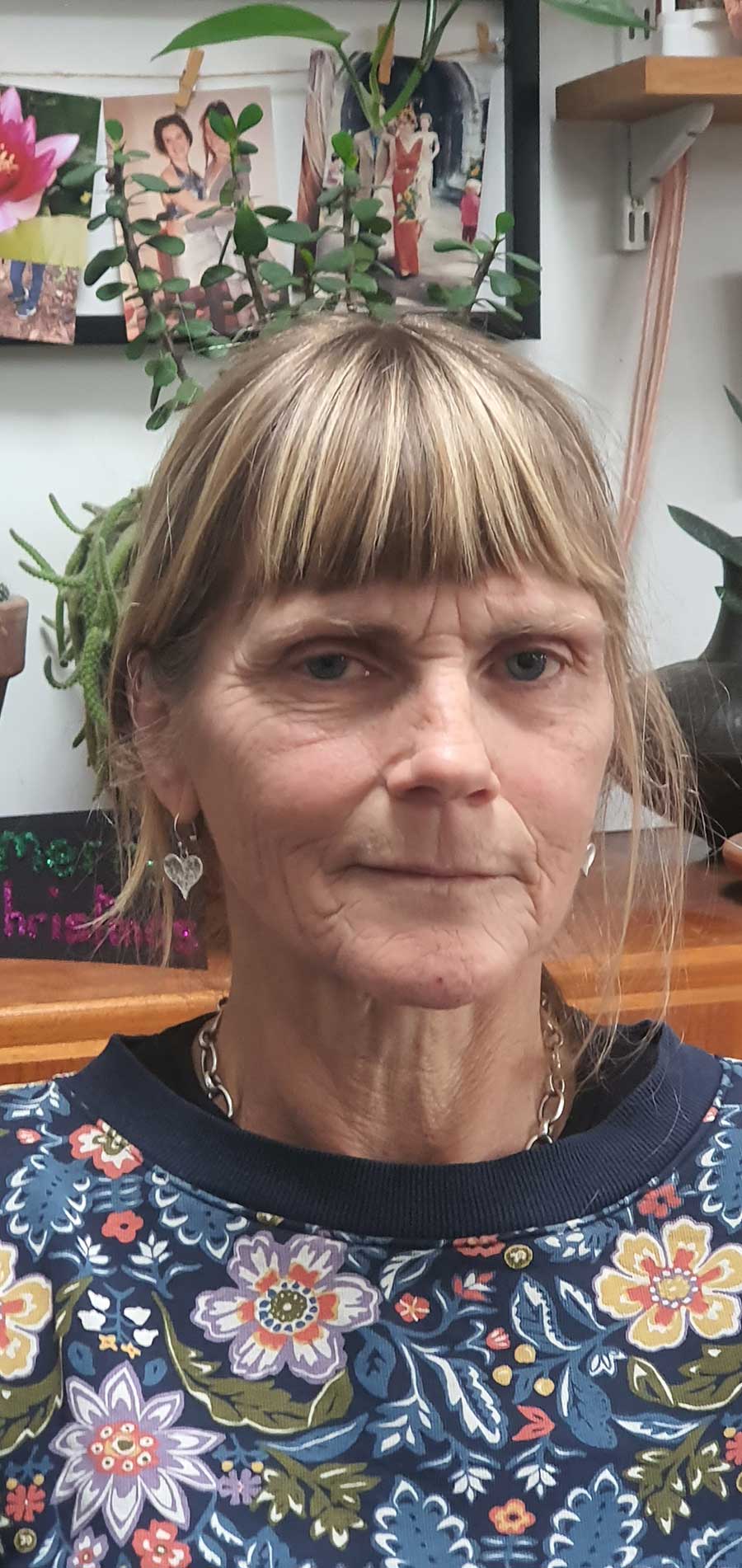
Episode #324
What we offer
If you’d like to support us, come along and join the Accidental Gods Membership. Here, you can share in the ideas, the programme that will help you connect to the Web of Life in ways that will last—and you can come to the Gatherings half price. Or if that doesn’t appeal, come along to one of the Gatherings. Or buy a subscription/Gathering for a friend… do something that feels like a good exchange of energy and minimises our connection with old economic paradigm. Remember that if any of this is difficult financially, contact us and we’ll find something that works for you.
Details below:
We offer three strands all rooted in the same soil, drawing from the same river:
If you’d like to join our next Open Gathering offered as part of our Accidental Gods Programme, it’s Honouring Fear as your Mentor on Sunday 8th February 2026 from 16:00 – 20:00 GMT – details are here. You don’t have to be a member – but if you are, all Gatherings are half price.
If you’d like to join us at Accidental Gods, this is the membership where we endeavour to help you to connect fully with the living web of life.
If you’d like to train more deeply in the contemporary shamanic work, you can find us at Dreaming Awake.
You can explore the recordings from our last Thrutopia Writing Masterclass here.
In Conversation
Manda: Hey people, welcome to Accidental Gods; to the podcast where we do still believe that another world is possible and that if we all work together, there is still time to lay the foundations for a future that we would be proud to leave to the generations that come after us. I’m Manda Scott, your host and fellow traveller in this journey into possibility. And this week we’re talking about water. As we move towards total systemic change, shifting from the death cult of predatory capitalism towards a future we would actually be proud to leave behind, our absolute baseline non-negotiable foundations have to be clean air, clean water, clean soil. And on this podcast, we talk a lot about regenerative agriculture and how we can rebuild living soils from the inert, growing media that we created in the hellscapes of industrial agriculture. And one day, when I find the right person, we will talk about clean air; why we need it, why we haven’t got it. Today it’s water; that utterly essential part of our biological and spiritual lives. It should be clean. It should be safe to drink in and to swim in for us and all the species with whom we share our beautiful blue pearl of a watery planet. And as we all know, it isn’t. It isn’t because our system values profit over the vibrancy of life. It isn’t because people in suits have found that if they treat our rivers as open sewers and our oceans as waste dumps, they can get away with it.
Manda: It isn’t because for way too long we have all believed the stories that say there is no alternative and this is the way the world has to be. But the masks are coming off, and activism is increasingly being seen as an act of radical and necessary resistance that can bring people together. Bridging across the false, toxic cultural divides that the establishment creates, so that we fight ourselves instead of working together towards a world founded on different values. The push for clean water is one of the most unifying drives that we have. It doesn’t matter where you are in the political spectrum, you do not vote for sewage to be poured into your rivers, for the dead zones and the oceans to grow and join up. For the rain to be full of forever toxins, so that some suit in a company C-suite can buy themselves a new private jet and an invitation to Jeffrey Epstein’s private parties, or whoever is running these now. Because I do not believe they stopped just because he’s no longer around. In the UK we’re in an almost unique position, because back in the 80s, Margaret Thatcher watched Pinochet privatising the water and sewage companies in Chile and decided this was a really fine idea and imported it wholesale to the UK.
Manda: Our water and sewage companies were privatised at a steal in 1989, and pretty much everyone agreed quite fast that this was an incredibly bad idea. Except successive governments. So now people have got together and formed their own activist groups based around the rivers near them. There’s always at least one, and they are conducting citizen science, holding people’s assemblies and generally making enough of a nuisance of themselves that those in power have to take notice. What does that remind you of that we’re seeing on our screens every day? All this being the case, it’s World Water Day on March the 22nd every year. And this year, we are recording in 2026, for those of you who listen years later; we’re talking to Claire Kirby, co-founder of Up Sewage Creek and a member of the Sewage Campaign network. I first met Claire when my last dog was young, so nearly 20 years ago. She has a degree in environmental science from King’s College in London, and then she went on to become a pet behaviour specialist who used to run rather wonderful puppy training classes. Then in 2020, following an episode of this podcast (yay!) she undertook a training with Trust the People and went on to co-found Up Sewage Creek, which is an activist group based around the River Severn in Shrewsbury. Which for those of you not in the UK or with as shaky a grasp of UK geography as I had when I first met Faith, it’s on the borders between England and Wales.
Claire co-founded Up Sewage Creek and you will hear what they’ve been doing, and then more recently, she has become an active part of the Sewage Campaign Network, all of whom are actively campaigning against the UK government’s latest white paper on the water industry. Which is exactly as much of a greenwash or whitewash as you would expect. So this is quite a lively conversation, a lot of it focussed on the situation in England, mainly because we live here and it’s pretty bad. But wherever you are in the world, you have water somewhere near you and I guarantee it’s not clean. And I guarantee also there will be people around you who care that it should become cleaner. Clearly, if you’re in a war zone, even if it’s an as yet undeclared civil war, this is not your highest priority. And I really do want to honour the people of Minnesota and Maine and Oregon and elsewhere who are taking to the streets in freezing weather to face the terrorist gangs unleashed on them by the US government. You have other things to think about than the quality of your water, and you have my absolute utmost respect.
Manda: But I would also point out that not far away in Flint, Michigan, there is one of the most egregious failures of local politics ever to express itself in the quality of the water. This is very clearly a universal problem. We each do what we can. And for those of us not currently facing pepper spray, uniting our communities so that not one single person is ever prepared to join up to the government’s shock troops, might be the front line. At the very least, it might be timely, and it might be one of the best things that we can do. If testing water is your thing, please do it. If organising sociocracy groups is your thing, please do it. If just holding conversations about why having clean water might be a good idea and why it’s not actually happening is your thing, then please do it. And that’s exactly what Claire Kirby has done. So to find out how to connect and converge and the range of things that we can do, people of the podcast, please welcome Claire Kirby of Up Sewage Creek.
Manda: Claire Kirby, welcome to the Accidental Gods podcast. You are just up the road from me, so I’m guessing you have the same grey and drizzly weather that we have. But how are you and where are you? Tell our listeners on this dreary Monday morning.
Claire: I’m really well, actually, thank you. Quite sort of positive and ready for the year, surprisingly. And I’m in Shrewsbury, so literally just up the road from you. And yeah, it is grey and drizzly again today.
Manda: Again. But it’s Imbolc. Happy Imbolc!
Claire: Happy Imbolc.
Manda: So the world is moving towards spring in the northern hemisphere. So you are one of the co-founders of Up Sewage Creek, you’re a member of the Sewage Campaign Network. And this morning you sent me a link to Left Foot Forward, an article on the public ownership of water. And I just want to read the first couple of paragraphs of this, because this is the core of what we’re going to be talking about and it makes my blood boil and all the fuses in my head blow. And if I read it out, at least I’ll get this bit out of my system. So it says here, and I’m sure it’s true: “In the era of predatory capitalism, people are routinely fleeced by giant corporations. England’s privately owned water and sewage companies lead the field. With the full approval of the state, they continue to fleece the people. Water companies lose over 1,000,000,000,000l of water a year to leaky pipes. Sewage is dumped in rivers, lakes and seas for nearly 4,000,000 hours, damaging human health, biodiversity and marine life”. I would say not just damaging, I would say annihilating, but there we go. Since privatisation in 1989, water companies have been convicted of over 1200 criminal acts, but none has had their licence to operate revoked”. I could go on reading the rest of this article, which would continue to make everybody’s blood boil, but let’s leave it at that. We are in a critical situation, and we have a government that quite clearly has no intention of doing anything about this. And yet, World Water Day is coming up, and people around the world are becoming increasingly aware of what we’re doing to one of our fundamental, life saving, life giving, life enhancing, life affirming elements. And you’re one of those people. And you’ve been working on this for quite a while. So, Claire, tell us first how you came to found or co-found Up Sewage Creek, and we’ll move on from there.
Claire: There’s a footpath parallel to the River Severn, because the River Severn snakes all the way around Shrewsbury; it’s like the reason the town is here, really, for the river. And there’s a footpath that I walk regularly with our dogs, and it’s started to become a bit of a common pattern to find raw sewage on this footpath. There’s essentially a combined sewer outfall, so a sewer runs underneath the footpath and it’s got about five manhole covers all along it. And when it rains heavily, the manhole covers pop and there’s raw sewage on the footpath. And let me tell you, this is a really, really heavy footfall footpath, where there’s some flats there and it’s the way they walk to town, and there’s also the showground and it’s the way people visiting the showground and camp in an event walk to town. So it’s a really high traffic footpath and it’s covered in shit, when it rains. So I’ve been gradually starting to become aware of this and starting to report it. And then one day it happened again and I’d just had enough. So on my way back home, I knocked on my neighbour Jane’s door and Up Sewage Creek was born, essentially.
Manda: That sounds to me like quite an edited highlight. Because you had listened to the podcast and you and your neighbour, or you alone, went to train with Trust The People. Was that before this or after?
Claire: Yeah, I’ve been listening to the podcast since the beginning and on the Accidental Gods programme as well, actually. But I mean, I’ve done quite a lot of community stuff and quite a lot of environmental activism already. But I did do the Trust the People course, and it was basically that’s what they were saying. It was quite involved, actually. Probably because it was lockdown ish still, and that was why I sort of had the time to do it. So I did this course and it was basically just saying, well, think about something in your own community that you could organise around. And so I was like, what could I organise around in my community? And then it was that day when I trod in poo again and I just thought, okay, that’s it then, isn’t it? Sewage. And to be fair, I had no idea just how bad things were in the rivers at that time. I think I was a victim of complacency, whereby I think we’ve been led to believe that since the Industrial Revolution, water courses in the UK got better and better. And, you know, there were salmon in the Thames. And I think quite a lot of us had been lulled into a false sense of security.
Claire: So this was happening on the footpath. I wasn’t really aware of what was going on in the river then. But what Jane and I did, was we organised in our part of Shrewsbury, our neighbourhood, Coton Hill, we booked the friends meeting house and we organised a small people’s assembly. So we flyered all houses, there’s about 2 or 300 houses in our neighbourhood, so we flyered them all and we got 50 people. A lot of them from the neighbourhood, but also quite a few from the local XR and stuff, people I already knew I suppose. So it was a bit of a mixed bag.
Manda: For people not in the country, XR is Extinction Rebellion. This was just after or not long after the Pink Boat and the occupation of Trafalgar Square, when XR was still a very big political movement and had a lot of people joining. And as I understand it, Shrewsbury had quite an active XR. Probably still does.
Claire: Still do, actually.
Manda: So tell us what a people’s assembly is, for those who are new to the podcast and don’t know the difference between a citizens assembly and a people’s assembly. And then can you also tell us what was on your flyer? Because getting 50 people to come to the local Quaker meeting house of an evening is actually quite an achievement these days. Most people would rather stay home and scroll social media.
Claire: Yeah, well, a citizen assembly is something that’s done by government, and they do it by sortition, and it’s totally random and kind of beyond our ability to do that kind of thing. But essentially a citizen assembly is when rather than just telling people what’s going on, you actually get the people involved to say what they think. So we had 50 people and we had facilitators who had some experience of doing this kind of thing before.
Manda: How did you find facilitators who knew what a people’s Assembly was and how to facilitate.
Claire: Through XR, really, I think there was quite a few people who’ve been doing that. And then that was part of what the trust the people training was as well. So we split into small groups. I think there were about 4 or 5 groups, and the idea of each group being facilitated was so that everyone gets to be heard. So every single person got to express how they felt about this dreadful situation going on. And actually, we’d had someone from the Wildlife Trust come and talk to us, so by this time we were realising it wasn’t just the footpath either, that the river was also implicated in this pollution. So then we had a note taker, and then we collated everything at the end and we had a list of what everybody had said they thought the priorities were, and what we should be doing. And that was the beginning. And then actually, because I think with the XR involvement, we actually organised a little march through town about a week and a half later. So Up Sewage Creek did kind of start with a bang and we got quite a lot of press interestingly as well. And we did get the attention of Severn Trent Water and we’ve managed to keep their attention as well, really.
Manda: Okay. So I would like to talk about the process as much as about what it is that you’re doing. So you’ve got a people’s assembly, which pretty much by definition is self organising and self-selected, as opposed to a citizens assembly, which, as you said, is selected on the same basis as juries, technically. It should be a broad spread where you have representatives of all of the demographics, which if you only have 99 people, it’s really hard to do. And as you said again, requires that you have access to the voter rolls in ways that are delineated by all of the factors that you might want to bring into it. So it’s a hard thing to do and very expensive. People’s assemblies you have who turns up. So people could say that it’s a self-selected group and it’s not representative of the wider community, but you’ve leafleted all the houses and you get the people who care. And that seems to me a good thing. Then you have facilitation with people who have had some training, to make sure, I’m checking that this is true, that the loudest voices are not the only ones that are heard. Because you can end up with overt or covert bullying in small groups.
Manda: So if you get shy people who just are not very good at speaking up, and you get people who are very opinionated and have spent a lot of their lives telling other people what they think, and you can end up with weighted opinions if you’re not careful. So the facilitators are there to make sure that there is equity within the groups. And then you have somebody good who is taking down all the opinions, and then you have to read them all. And that always strikes me as that’s one of the pinch points in the process. Somebody has to get their heads around what everybody said, and that person has to be aware enough of their own process that they can see where their own resistances are, so you don’t end up editing out the stuff that you didn’t want to hear. And that strikes me as one of the most important parts of the entire process, because the person who gathers and synthesises what it is that was said, is a gatekeeper. Who did that within the original People’s Assembly? Was it someone who’d been trained to do it, or was it just someone who volunteered?
Claire: It was actually Julie Dean, who’s actually one of the Accidental Gods. You may know her already, and she was absolutely brilliant, I have to say. She was the perfect person and she had had quite a lot of experience. And she’s a teaching assistant, I think she worked with small children at that stage, so she really did do a super job actually, we were very lucky.
Manda: And as I understand it, you said before we started you ended up with a sociocratic meeting model. Was that something that came out of the first people’s assembly, or had you and Jane already decided, as a result of the Trust The People training that that would be a good thing?
Claire: No, it was kind of chaos after that, really. Not chaos, but we were a very, very loose assemblage of people to begin with and not particularly well organised. But actually one of my neighbours, who lives really only a stone’s throw away, had had a lot of experience with NGOs, and she’s the one who drew up the sociocracy. I mean, we did do quite a lot about that, I think, in the Trust The People, about organisational structures. But we wanted to be totally democratic. And I think initially I was kind of trying to be totally democratic, but there was a level of chaos without some degree of organisation. So we’ve now got an organisational structure, a constitution. It’s only the last year or so that Up Sewage Creek have kind of come of age, and we are really quite well organised now, and we have, you know, a bank account, we have this constitution, regular meetings, a newsletter, mailing list. The whole works really.
Manda: Got a very active WhatsApp group, of which I am a member. Tell us a little bit about how Sociocracy works, then. What is it that gives it structure so that you haven’t got the chaos and yet maintains a degree of equity and equanimity?
Claire: Well, essentially it’s very flexible and it accepts that those people who are probably a bit more engaged, or a bit more energetic, or have a bit more time at that time, are going to be putting a little bit more in, but that it’s always going to leave space for those people to step back a bit and allow other people to come forward. So we have a kind of core group, which we call Concentrated Creek, which has its own WhatsApp group, and then we have the citizen science, we have the water testers, we have various other groups. And then when we have a meeting, a concentrated creek meeting, people from the different groups come and present at the meeting. So I believe it was like spokes from different groups come to the hub; other groups call them hubs and spokes kind of thing.
Manda: Okay. Like from a wheel.
Claire: Yeah. So it remains flexible but then you’ve got organisation. And again it’s really about everybody being heard.
Manda: Right. Yeah. Spokes and wheels. You’ve got a central hub and there’s circles around the outside of different groups that are self-selected. So the citizen scientists choose and then they send someone to the central hub to let the central hub know what they’re doing. And if I’ve understood correctly and you may not implement this, there’s always the right of recall. So the citizen science group, for instance, I just fastened on that because I think it’s interesting, sends a couple of people and if they feel the couple of people they’ve sent are not accurately representing what they actually want them to say, they can recall them and go, no, you’re not saying it, we’re going to send somebody else. So you’ve always got the people who are closest to whatever it is, have the most power. You devolve power to the periphery and yet you have oversight at the centre. Is that is that fair?
Claire: Yeah. Sounds about right. Yeah. Sounds great actually.
Manda: Brilliant. And it works.
Claire: Yeah, yeah. It does seem to work, actually. Yeah. Yeah, definitely.
Manda: Excellent. And the other thing in the sociocratic circles that I’ve worked in, and the thing that seemed to me to really make things flow, we brought somebody who had done a lot of sociocratic work into the WhatsApp group that arose after the Thrutopia masterclass writing group, and we wanted to create a publication. And we spent a year, pretty much, discussing this. Because it turned out after we had the sociocratic meeting, that there were actually two different publications. And it took someone to give us the permission to go around and say exactly what we thought, without fear or favour, without worrying that it was going to upset people, and then to put together a concept, a motion. And you didn’t have to agree with it, you had to not disagree. And that struck me as really powerful: good enough to try, safe enough for now. And if you disagreed, you had to say why and propose something better. And we got more done in an hour than we had done in the previous year. It seems an incredibly powerful way of bypassing people’s tendency to self-censor and give them permission to speak. But also then if you don’t agree, you have to say why and produce something better, clears a lot of the dead wood. So it has struck me as a really impressive way of organising things.
Claire: It seems very intuitive to us anyway. It’s the only way we could really have gone, I think, so, yeah.
Manda: Right. But somebody sat down and thought about it and made it into a system which is fantastic. So tell me about the citizen science, because this strikes me as one of the things that is really powerful about the whole of the network, not just in the UK but across the world. We have a lot of scientists in our communities who care about there being clean water in the rivers and actually who care about the quality of the water coming out of the tap, which is something we’ll get to later. They are often retired. They often remember when everything was cleaner when they were younger, which is a useful metric, because the shifting baseline syndrome is otherwise a really important and bad thing. And they have the skills that we need to go out and establish the things that the sewage companies, water companies would prefer we not know. So who are the citizen scientists for you? And who are they around the world? And how do they organise and how do we collate the data? Tell us everything.
Claire: Okay. Well, actually, really early on in the history of Sewage Creek, this guy called Pete Lambert for the Wildlife Trust, he organised a water testing training day. Right. And so several of us went to the local field study centre and did a day of training. I mean, it’s something I’d done when I was at uni anyway, so it was kind of not that new to me, but great. And essentially Cardiff University and the citizen scientists in the Wye Valley, I think maybe one of the rivers trusts was involved as well, set up the CaSTCo system, if you like. So basically whereby everyone was testing, and it was very, very new when we had this testing day in 2021 I think this was. So it was only really going on on the Wye at that point, but basically it was just a replicable system of testing. Using the same kit, testing for all the same things, and doing testing in the same way. And there’s a database via epi collects that you can put your results into. So before it was rolled out across the country, it was a pilot scheme and there was actually no plans to roll it out across the country. But there was just so much enthusiasm from people around the country wanting to do citizen science. I mean, actually, when we had our People’s Assembly on World Water Day last year, 2025, we had James from Sheffield, from the River Don project. So acts of love for the river. So, you know, doing litter picks, people want to do acts of love for the river, so people want to do something positive rather than kind of campaigning and going rah, rah rah.
Claire: So we’ve got no shortage of citizen scientists. And so basically we’ve got a crew, well mostly it’s been Warren, who’s our local ecologist who I met for the first time when I did the water testing day with the Wildlife Trust. So he’s been kind of running our citizen science team, but it’s actually got to the point where loads and loads of people are flocking to do citizen science. And I’m like, oh, can’t some of you do some website or something like that? Do you know what I mean? So it’s very, very popular. I mean, we have actually now as Up Sewage Creek, we have our own team that buys into the CaSTCo study, if you like. So we own our own data, because we did run into a few problems. We wanted more freedom to test where we wanted, to do what we wanted and to make sure that we owned our own data. So we’re now at that point. And we’ve fundraised as well, to get money for more water testing kit. So we’ve been up and running for quite a while now and we’re getting organised. I mean, it was true though from the very early days there were just two citizen scientists, for want of a better word, for the Up Sewage Creek. And they did go far and wide and up the tributaries and down the tributaries and they were horrified to say that they didn’t find any clean water anywhere. But now there is a big database, and there is a guy within the Rivers Trust who I speak to sometimes and he’s been really, really helpful supporting us. So we’re well supported.
Manda: Okay, let’s dig a little bit more deeply into this because I’m looking at the CaSTCo website and it sounds really good. It’s got their principles and it says that they are collaborative; they want to build a community aiming to improve river health. That they’re impactful; they want to collect data for a purpose or outcome and measure the results of new and existing approaches. That they’re open; they want to share the data and ideas openly as a default. That they’re rigorous; so they want to use appropriate best practice to collect and share the data. And they’re future minded; they want to grow our community’s capacity to take care of rivers for the long term. However, they are funded by the OFWAT Innovation Fund and for people outside the UK, OFWAT is a government quango, basically. It’s funded by the government. So they are taking government funding to create a citizen science database, which I imagine is going to create the data that shows that private companies owning our water and sewage systems is an absolute, utter (expletive deleted) catastrophe. How do you and they get your heads around that internal contradiction?
Claire: I think with great difficulty, actually. I’ve got a contact in the Rivers Trust and I first saw him at a meeting of some description. He was really cool, so I sort of tracked him down and he offered to support us in his spare time, because his job was a little bit more about saying things how it was wanted.
Manda: How the government wanted him to say them.
Claire: If you like, in enough detail. But yeah, basically he was up for supporting independent testers who actually wanted to find something. And I mean, we did find along the way that there was a lot of testing of the main river where you’re not really going to find anything, you’re just going to find bad water, but you’re not really going to find the source of it, if you like. So there was a lot of that. The Anglers Trust are doing a lot of the mainstream, where you’ve got a lot of dilution going on and you’re not going to really be able to find the point source. So it has taken us quite a while to get ourselves organised and sort of know what we’re doing. But that’s why we want to have ownership of our own data. And it is true that this guy in the Rivers Trust, when we first got started, he did actually see that we were putting our data into the Epicollect and he was like, oh, I wonder if that’s anything to do with Up Sewage Creek? So there are good people inside the system who are going to be able to see something within the results, whatever happened. And also there’s a lot of people who are wise to what’s going on. I mean, there’s some amazing people called CARP, I can’t remember what it stands for, but they’re down Stourbridge, Worcester way, and there’s a guy who’s an ecologist and he reports about their water testing. There’s some really cool stuff going on.
Manda: Okay. Many pages thick.
Claire: Many pages thick. I’ve got it up in the bathroom right now, his latest tome. So yeah, I mean, there’s a lot of good stuff going on.
Manda: There is a lot of good stuff. However, we could turn out as much citizen science as we like, demonstrating that for four million hours a year, they are dumping raw sewage into rivers that do not need raw sewage dumped into them. And I am remembering, probably just before lockdown, Faith went to pick up the grandkids from school because grandma duties, and young child in the back saying, ‘we had the poo man today’ and it’s very exciting, let’s all giggle. And what’s the poo man? And the poo man was from the local water company who had been to the children’s primary school, to explain to them that it wasn’t their fault that there was sewage in the river, because when it rained, it just filled up the pipes. And what would you do? If you don’t dump it in the river it’ll come back up the toilet. So would you rather it come back up the toilets? No! So it’s fine it goes in the river. They’d been lecturing at the primary school! And Faith wasn’t born yesterday, so she explained that probably the poo man was making millions and millions and millions of pounds. And if you had millions and millions and millions of pounds and the pipes were too small and you were otherwise dumping in the river, what would you do? And the five year old in the back goes ‘I would make bigger pipes’. You think, well, if the five year old can do it, the water companies can do it. I have to keep remembering not to swear, because we have to keep our license. And they don’t because they’re too busy acting as an ATM for their investors. And most of the money that the water companies make is going to pay their shareholders, who think it’s great.
Manda: And one of the reasons, I keep being told, why we can’t possibly renationalise the water, is that pension companies have invested in the water companies and that’s how they make their money. And if we renationalise the water companies, all the pensions will have no money. We are right in one of those clefts in the heart of the beast of the giant vampire squid wrapped around the face of humanity, and I can feel myself becoming increasingly irritated. So I’ll just chill. But this is not how the system needs to be. And it isn’t hard to see how to fix this. And yet, quite clearly, we have a government that is massively invested in not doing anything about this. That article from left Foot Forward, I will put it in the show notes people, if you just want to blow your fuses of a morning, go and have a read. Because this government is colluding in making absolutely certain that the water companies never have to do anything. And in that respect, like everything else, they’re exactly like the Tories before them and presumably will be exactly like anybody who follows them, unless it’s the Green Party, which is probably why the establishment will do whatever it takes to make sure the Green Party cannot possibly move into power in this country. Which is why we need total systemic change. So we’ve just done the whole loop of the system is not fit for purpose, but let’s unpick it a little bit. What happens when you go to the local sewage company, I’m going to stop calling them water companies because they’re just not, and present them with the evidence that what they’re doing is wholly irresponsible and illegal. Actually criminally illegal. What do they do?
Claire: Well, the head of the water company blocked my email address. They just didn’t want to hear it.
Manda: Wow. Okay, so that’s head in the sand. Let’s just take the ostrich position. La la la. We can’t hear you. I also remember you saying recently that you had been reporting to the water regulator, the sewage, and they had not been noting your reports.
Claire: No.
Manda: Do I remember that? Tell us about that also.
Claire: Yeah. Basically, it’s going back to the footpath because the footpath Up Sewage Creek is my little baby, because it’s on my regular dog walk. And yeah, I’ve been reporting it for years to the Environment Agency, which is not much fun. It’s usually pouring with rain because.
Manda: That’s when it’s there.
Claire: That’s why it’s happened. And I’m usually walking the dogs, so I’ve got my hands full and I’m ringing up the Environment Agency. And their office is somewhere like Doncaster or something like that, you know, miles away, so they’ve got no idea where I am. And I’m ages on the phone. I mean, it’s completely unnecessary, there could be some sort of app so that reporting could be made easier.
Manda: They’re really good. Yes. You could drop a pin and tell them and it would be automated because that’s what AI is for. Instead of selling all our information to Palantir. Anyway.
Claire: Yeah. I mean, there’s loads of things they could do. I mean, the fact that the monitors on the combined sewer outfalls measure the duration of the spill, but they don’t measure the volume. The kit that they use could easily measure the volume, but they don’t do that. They just measure the duration. Which is why everyone says, oh, we’ve been pouring sewage into the river for however many hours. It could easily record the volume as well. So they make reporting very, very, very difficult. And then actually finding the report. So basically my understanding is that raw sewage on a footpath is automatically a level three pollution incident. Level one and two incidents are the more serious and I think they have to happen in a watercourse. I mean when you ring up the Environment Agency, they say is there any dead fish? And it’s like, no, it’s a footpath and all the fish are dead anyway. Do you know what I mean?
Manda: Yes. There’s no live fish to die.
Claire: They’re already dead. So it makes you angry just doing it. Anyway. So the level one and two pollution incidents are easier to access to see where they happen, but the level three ones are much more difficult to actually find. You have to go on GIS, so it’s some sort of digital mapping thing that maps via catchments. And so for your average sort of technophobe like myself, it would be quite difficult. But fortunately we’ve got some water engineer friends, who’ve just recently just come to us and befriended us. And so one of our water engineer friends looked it up. Because I did a freedom of Information request for the CSO. And she looked into that and it basically turned out that the Environment Agency hadn’t logged any level three spills on that footpath all that time I’ve been reporting it. They just haven’t bothered logging it.
Manda: And they just haven’t logged it.
Claire: No.
Manda: Wow.
Claire: And we were on Panorama a year and a half ago, something like that. And that was one time I actually caught it; you only have a small window of opportunity, and it was raining heavily, and for once in my lifetime, I went down there and I caught all the manhole covers, actually fountaining. You know, they were blowing off and there was water and sewage everywhere and I filmed the whole thing. And that was actually shown on national television. And I reported that event and they hadn’t logged that.
Manda: Wow.
Claire: The arrogance of it is quite… But then, I mean, to be fair to them, the Environment Agency, during the Tory government, they had 55% of their funding cut and that equates to 70% of their activities cut if you like.
Manda: And I don’t expect the current Labour government has done anything to change that, because it’s not their interests to refund the Environment Agency.
Claire: Well, that was what I was trying to ascertain from the recent White paper. Well, particularly as I’ve got a daughter who’s a biology graduate and lots of her friends are, and so whether there were going to be lots of jobs in the Environment Agency. But it doesn’t really say anything about recruitment. I mean, it’s not to say there wouldn’t be recruitment if it becomes law, which let’s hope it doesn’t.
Manda: Okay, let’s let’s look at that.
Claire: Nothing about recruitment. There was stuff about technology. So I mean, because that’s the other thing, you’ve got technology now. There are these sondes that you can keep in the water and they’ll do 24-seven.
Manda: What’s one of those?
Claire: Sonde; basically they do 24-seven water monitoring.
Manda: Right. Like they’ve got in the river Don that then feeds into the AI that then tells you everything you want to know about oxygen levels and triglyceride levels and potential pollution levels. And so you actually don’t need your daughter and her friends. But leaving that aside.
Claire: I mean, I’m not sure. This is what I’m wondering. I believe there’s going to be a lot of sondes. We’ve got one in Shrewsbury where we’ve got the bathing water status and we’ve got one there. But I mean, we have a vicar who’s an amazing water campaigner, just in a village a stone’s throw away, and he’s campaigning and he says we should have a sonde above the town and below the town.
Manda: At least.
Claire: Because we’ve got 28 sewage outfalls through the town of Shrewsbury.
Manda: Yes. And people swim in the river, which is bizarre. I remember reading a report somewhere along the line, and the levels of E.coli were actual millions of times higher than the maximum permitted amount for people to swim. And people were still swimming in the river because… I don’t know why. It doesn’t even smell good.
Claire: Well, in the summer we were doing a litter pick down by the river in Frankwell by the theatre, and it was a beautiful sunny day and there was a couple with a nine month old baby and they were about to float the baby in the water. Because it’s where there’s a big sign saying bathing waters, and there’s only a very small part of the sign saying it might not be safe to bathe. And I was like, do I tell them, don’t I tell them?
Manda: Yes, yes. Tell me you told them.
Claire: I told them. I had to tell them. And it wasn’t comfortable for me and it was just awful. But actually the Windrush against sewage pollution, there’s a docu drama coming out I think 24th/25th of February, I’m not quite sure what it’s called, but basically it’s looking at people who have become ill and some people apparently have even died from sewage pollution.
Manda: Okay. And you would think somebody would be prosecuted for murder as a result of that, but no.
Claire: Well let’s see.
Manda: Okay. So you’ll have a link for that and I will put it in the show notes.
Claire: Yeah, definitely. So that’s that’s coming out in about three weeks.
Manda: All right. So let’s broaden this a bit because I don’t want this to become just about England’s sewage. It’s worth noting that Scotland never privatised its water system and does not have these issues. And the Welsh system is slightly different again. Let’s not go into that because this is a global podcast. And where we’re at is the only countries in the world that privatised their water and sewage system were Chile under Pinochet and then Margaret Thatcher was so impressed with Pinochet that she decided it was a good thing to do in the UK. And as I understand it, from actually listening to Ed Miliband’s podcast many, many years ago, they keep bringing people over, particularly from the US and going, look, we privatised our water system and we’re making this much money. And even the Americans look at that and go, you know what? That’s a really bad idea. And they haven’t managed to persuade a single other nation on Earth that privatising the water system is a good idea. But this doesn’t mean that everybody else’s water is clean, because clearly it’s not. David Farrier’s book Nature’s Genius, he was on the podcast back in number 320, was full of accounts of rivers that are so polluted that the life that continues to live there is evolving to cope with astonishing levels of pollution. The River Hudson is one of the most polluted rivers on the planet, and apparently you used to be able to tell what colour Ford was making the cars this year by the colour of the water, and we’ve ended up in a space where we are so disconnected from the web of life that we don’t even care that we’re polluting the water that we are then going to drink.
Manda: All of our rain is now completely contaminated with PFAS forever chemicals, which are known endocrine disruptors and known carcinogens, and there is not a single drop of water on the planet that isn’t contaminated with these, because the people who make them have much bigger lawyers than anybody else. And there are 16,000 of these chemicals, and we regulate seven of them. And as soon as somebody manages to regulate one, they change one atom in the molecule and rerelease it, and it’s a whole new thing and it’s not regulated. And somehow it seems to me this is at the heart of the corruption of the death cult of predatory capitalism. Is it’s more important that a company continues to make a profit than that the water is safe to drink or swim in. Or we keep oceans actually alive, because phytoplankton produces a significant amount of our oxygen and we would like to continue to be able to breathe the air. None of this sinks in because we have a system where profit is everything. And I’m not expecting you as a water campaigner to have an answer for that, but I would like to unpick your experience of how the corruption works, because even sewage company people drink water. Even sewage company people might occasionally, I guess, like to go and swim in a river. They might like to be able to surf without surfing past raw sewage. All of the things that are no longer possible in the world that we inhabit. What do you think? Or what is your experience of how they go to work every day without hitting major internal contradictions?
Claire: Well, I think your average, normal people who work for the water companies, I think they must be conflicted. Whenever I see anybody from the water company or their contractors down by the river, and I’m down there a lot with the dog and whatever, I bet they regret me coming along because I never fail to talk to them about it and find out what they’re up to.
Manda: Okay. Well done.
Claire: But we were down the town, Shrewsbury, doing our poo-ometer, which is our kind of outreach tool. We’re just chatting to people. And I was talking to an amazing number of people who work for water companies.
Manda: Hang on. Tell us what a poo ometer is and how it works.
Claire: Ah the poo ometer. It’s just a board, basically with some questions about what people think it’d be better to do; would it be better to do this or that and people get to put stickers on.
Manda: Okay. Because asking questions is a political act. What kind of questions are you asking?
Claire: Uh, well, we’re just sort of saying would it be better to pump shit into your rivers, or would it be better to not pump shit into rivers, kind of thing.
Manda: Hmm. Let me think about that.
Claire: There’s no right or wrong answer and people can stick as many stickers on as they like.
Manda: Do many people vote for pumping sewage into the rivers?
Claire: Nobody does.
Manda: Okay, there’s a surprise. Even employees of the water companies?
Claire: Well, no. I mean, the last time we did it actually, I was talking to this couple, and he worked for a subcontractor for the water company. And I just said, imagine that in your job you were really bringing about positive change, you were going to be bringing the river back to life! And it was like their faces lit up. So it shows you they know what’s going on, but they have to put food on the table. I mean, when we first started, they appointed these people, greenwash people, called river Rangers. And it was kind of a new thing around that time, when we started Up Sewage Creek, it was when the penny was beginning to drop all across the country. And so the water companies were trying to do things, and so they appointed these river rangers. And the first one we met, he was really lovely. But then he changed job, and I just think he couldn’t…
Manda: He couldn’t handle the internal contradictions.
Claire: No. The conflict. I mean, obviously by the time you get into the higher echelons, I mean, you know, maybe the CEO’s of the water companies, they’re good at what they do because they’re employed to make money.
Manda: Because they’re psychopaths.
Claire: They’re getting their job satisfaction, you know, they’re getting their dopamine.
Manda: Well, they’re getting the dopamine from the gold watch, the Rolex and the big car and the big house and presumably multiple failed relationships. Hey, I’m projecting a lot! But I’ve been talking to a number of lawyers recently for the podcast, and someone who hasn’t yet been on the podcast, but was working as an advocate for the web of life within the companies. And a water company had taken them on and about six months in sacked them, because they just couldn’t handle somebody going, you can’t do this. If I’m speaking for the natural world, you have to stop doing what you’re doing. And as far as I understand it, the narrative was, yes, we hear what you’re saying, but we still have to make a profit and these things are not compatible so you have to go. And this is psychopathy. I’m really sorry if that’s a bad thing. And, you know, it’s Monday morning and it’s cold and wet. And maybe I’m being more judgemental than I should be because I’ve been watching the news over the weekend and fascism is on a roll.
Claire: It probably won’t be as wet if there wasn’t so much psychopathy about it, though, would it? I mean, it’s like we’d have a nicer January.
Manda: I think it’s February. It’s allowed to be. You know, British weather has been notoriously cold and wet since before Caesar arrived 2000 years ago. So I don’t think we can necessarily blame the climate emergency.
Claire: It’s been a wet January, though, hasn’t it? It has been a wet January.
Manda: When we first moved here, we were told that we needed to buy a freezer and stock it for two weeks in February because we wouldn’t be able to get out because of the snow. And it has snowed in February once in the 20 years we’ve been here. It has flooded. When we were in the old house the other side of the hill, it flooded to the point where the tractor couldn’t get through at the bottom of the road. But it hasn’t ever snowed and blocked us in. Leaving that aside, because that’s a whole separate thing, we live in a world of government corruption. There has been a white paper. I think this is worth having a look at because for World Water Day, quite a lot of people in the UK will be pushing against this white paper. So the white paper looks to me to be total greenwash. It’s designed to prove to the government that privatisation of the water companies is a good thing and needs to continue, and that it would be massively too expensive ever to consider Renationalising, which is obviously what the Green Party wants to do. Am I right or am I just being Monday morning grunge?
Claire: No, it wouldn’t cost anything to take water back into public hands.
Manda: Explain the economics of that.
Claire: The government have been touting this figure of £100 billion to take water back into public hands. Which is some sort of RV, something figure that occurs in industry. Yeah, I don’t really know what it means, but basically it’s a water industry number that they’ve dreamt up. And actually, this is what my husband said about the white paper. Because we’ve got a copy, we’ve been reading it and the language is like Newspeak. And he said, yeah, they’re making up new words for what they aren’t doing, and we don’t really have to say much more about it than that. It doesn’t really say anything. It’s vacuous language. It is quite scary language, actually. They’re basically saying that take water back into public hands would cost £100 billion, but effectively it wouldn’t, because all the water companies are effectively bust, because if the the current legislation had been enforced, they would be bust. And therefore all the massive debts they’ve got and all the shareholders or whatever, they’re bust. And so they walk away and leaving just the assets, which have been so asset stripped and so rundown, that government could buy them back for next to nothing, basically, which would come out of bond money.
Claire: And so yeah, we could have water back in public hands, cost nothing. And then you’ve got something like 24 million households paying something like £500 a year for the water. Plenty of money to sort out the issues which obviously are run right down. But I mean, this is what’s really come to me, Manda. Since we’ve have the problem with the footpath, the water companies say that the pig trough, as it’s called, is the most famous sewer in their region, their massive region. It’s like we really have kind of got under their skin. And so they say they’ve investing quite a lot of money in sorting it out. And they are doing work locally. And I mean clearly they’ve started doing this work and it’s obvious from talking to them that they’ve never actually seriously thought about doing anything about the raw sewage on the footpath ever before. They hadn’t thought about it we started making a fuss.
Manda: Until you did what you did.
Claire: And then they’re like, oh, what can we do about this? And so they’ve got a big plan and they’re actually getting on with it, they made a start. And they’re using some nature based solutions which is good.
Manda: Hang on. What’s a nature based solution?
Claire: Well they use sustainable urban drainage. So they’ve made these swales on the local playpark.
Manda: Okay. Right. So tell us what a swale is for people not familiar.
Claire: Swale is basically like a rain garden. So what they’ve done is they’re capturing all the water, on one side of the sewer catchment, they’re catching all the water that comes off people’s roofs and drives, and they’re diverting it to these soakaways essentially.
Manda: Right.
Claire: But that’s slightly another story. But clearly prior to that, they just never, ever thought about what they would actually do about any of the problems. And I mean, this is actually one of the things that kind of fills me with a little bit of optimism. I mean, albeit that they’ve put up our bills by 47% to pay for the work they should have already done, but since they’ve started thinking about it, there obviously are quite a lot of low hanging fruit. And they are getting on with doing those things which I believe are making a massive difference. So there’s loads of stuff they could have done years ago which would cost them hardly anything, and they just haven’t done because their priority was clearly… You know, I’m an animal behaviourist, Manda. You can tell the motivation by the behaviour.
Manda: Yes. Right. Yes.
Claire: You look at water company and you look at the behaviour and then you can see that the motivation is clearly just making money, it’s not sorting out the issues. But we had a meeting with the local water company at the very beginning of January, and it did sort of fill me with hope, because there were moments when I could actually see how the water company and activists could work together. It’s like we were highlighting problems on the ground, and they were saying, we’re going to take a look at that. And then everything went to distrust and whatever again. But there were moments when you could actually see how we could work together. And if the whole remit of the water company wasn’t making money, it was sorting out the problem, then we could all work together in the catchment. It could be beautiful.
Manda: Yes. Which is we’re back to this is the nature of predatory capitalism. If it wasn’t that every company had to make money for its shareholders then we could work together. I want to follow that, but just before we get there, I looked up what it meant for our RCV. So for people listening, I think it’s worth saying, and this is from the Left Foot Forward article. And they’re pointing out customer bills have increased by record real terms. Instead of investment in sorting out the sewage, companies chose to pay over 85 billion in dividends to shareholders and financed it by borrowing 82.7 billion. So basically, they just turned themselves into money laundering systems where they borrow money in order to pay their shareholders.
Claire: Yeah, they make the money clean and they make the river dirty.
Manda: Yes. Very good. And you were talking about RCV, the cost of public ownership. So this is saying the government has claimed it would cost 100 billion to bring water industry into public ownership; ‘a calculation not supported by any academic study or research by credit rating agencies. The 100 billion is a rolling amount calculated by Ofwat, the same people who are funding the citizen science, and is described as regulatory capital value (RCV). The essential method is to take the RCV at the beginning of a financial year, multiply it by the rate of inflation during the year, add investment during the year, and subtract depreciation and capital grants. This gives the RCV the regulatory capital value at the end of the financial year, which is currently around 100 billion, which is used to fix prices and guarantee real returns to water company shareholders. It is fundamentally flawed’. I mean, it is so obviously flawed. What they’re saying is, this is quite amusing, I think; ‘the Ofwat and government approach leads to nonsensical answers. Suppose you bought a car in 1989, which is the year the water companies were privatised. Since then, every year you multiplied that price by the rate of inflation, added investment and adjusted for depreciation, the answer would be the sum total of random numbers. It would not give you the current market value of your car, which is determined by market specific factors and technological change. And a car bought in 1989 is worth precisely nothing now. Which is the same with the water companies’.
Claire: But if your government says it’s going to cost 100 billion to take water back into public hands, people go oh, we can’t afford that. So therefore we have to stick with this system.
Manda: Yes, because people don’t understand the way that money works.
Claire: So basically, the current white paper is based on the Independent Commission for the Water Sector, which was commissioned by the government. Because obviously they’ve been looking at what’s going on in the country. They know there’s a big mess and a big furore.
Manda: And 89% of people want the water companies to be renationalised. And the other 11%, I’m guessing, just hadn’t thought about it that hard, because I don’t see how you could say not.
Claire: Or they’re just thinking about top down nationalisation from before, and they’ve heard about the 100 billion and they just think we can’t do it or whatever. Anyway, so the Independent Commission for the Water Sector, which took place last year, its remit was to not look at taking water back into public hands. So they’re only looking at the private model and maybe a CIC on the side, which is like the Welsh model, which hasn’t worked at all. And actually there is no price. They haven’t actually worked out how much it would cost to take water back into public hands, because they didn’t consider it, because it wasn’t part of the commission, so they didn’t consider it. So they don’t know how much it will cost. So they’re picking this £100 billion figure out of the top of their heads, really.
Manda: But we also need to look at where would the 100 billion go. Because if it’s going to people who pay tax, it’s coming back to the government anyway. I think this is one of the things that I really want to establish across the world, is this idea that when a government spends money it vanishes, only applies if it is going to people who are then taking it out of the country. So if it’s going to huge companies, half of our water companies seem to be owned by an Australian company that basically asset strips them and then sells them back to people who don’t really want them. If they’re doing that and all the money flows into private accounts in the Cayman Islands, then yes, that money has gone. If you’re paying people who pay tax, then the only thing that matters is the velocity of the money, which is how many hands does it go through before it is paid back to the government as tax? And the higher the velocity, the more people who get to touch that money, the better. So it doesn’t matter what it costs, it matters where the money is going. If a government pours 100 billion into the economy, that’s fine.
Claire: Except I don’t think it actually should cost anything.
Manda: Oh, no it doesn’t. No, they could pay nothing at all.
Claire: You know, it shouldn’t cost taxpayers anything is my understanding. But I just think people find that really hard to understand or believe, because we’ve been so kind of brainwashed. And this is the real issue. So it looks like the government has done like this massive look into the situation, through this commission. I keep wanting to say the People’s Commission, but the independent Commission.
Manda: And wasn’t independent at all.
Claire: But actually didn’t consider public ownership, so it wasn’t independent. Because it was just DEFRA who have no external scrutiny. But most people, I think, really do believe that it’s going to cost so much money to sort it out.
Manda: Right. So how do we counter this? What’s happening on World Water Day to help us to counter that narrative?
Claire: Well, on World Water Day around the country, you’ve got all little sewage campaign groups.
Manda: Anti sewage campaign groups.
Claire: Anti. Yeah it’s true, we’re not pro sewage! Yeah. So all over the country. And so all the little groups are doing something on World Water Day. We are having a procession and we’re planting a black poplar tree, a native black poplar tree by the river in Shrewsbury and Frankwell. So that’s kind of what we are doing. But other people are doing different things. There’s library events, there’s a wild swim. But I also believe that Extinction Rebellion have got a dirty water campaign and they’re doing something on World Water Day. So I think at the moment we’re trying to team up, certainly in Shrewsbury, we’ve teamed up with our local XR. But basically all the anti sewage groups are taking action all over the country, and being very visible and getting in the news, and if they team up with Extinction Rebellion. And locally in Shrewsbury, the Green Party are teaming up with us as well. So we’ve got quite a lot going on in Shrewsbury. But actually one of our local green councillors, I bumped into him the other day and he wasn’t aware that other Green Party groups, local groups around the country, were going to be doing anything on World Water Day. But he’s got a national job as well and said right, Claire, I will take that to National Green Party. So it’s possible, because we’ve still got a couple of months, haven’t we.
Manda: So yes, it’s 22nd of March.
Claire: 22nd of March. So it’s sort of on the equinox. So if everyone teams up, you could have a massive national event.
Manda: Yes. And it’s worth saying, for people in the UK, there’s an MPs briefing on water reform on the White Paper on the 24th of February. And if you can push your MP, you can try, your MP will take no notice of you whatsoever, because that’s the nature of politics; but it would be good if they went along. There’s a campaign day at Westminster on the 17th of March from 1.30 till 3.30pm.
Claire: That’s right, yeah.
Manda: An MP information drop in on the white paper. And again you could ask your MP to go along. And then World Water Day itself is on the 22nd of March. And it does seem to me there’s going to be wild swims and processions and storytelling and library events. And what we need somehow is to amplify that around the UK. And then World Water Day is a whole world thing.
Claire: It is. I first found out about World Water Day because we sponsor a child in Bangladesh and he writes to me every now and again. And he said, we did this on World Water Day. And that was like, oh wow, I didn’t even know there was a World Water Day. So then we did our People’s Assembly last year on World Water Day, and I wrote to him and said, well we flood in Shrewsbury; I believe you flood in Bangladesh. So we’ve got this kind of connection across the world. It was kind of lovely. Because it’s World Water Day in March and then there’s World Rivers Day in September. So quite a lot of things happen there. But the timing of this is good because the white paper’s now out. The bland white paper that makes up a new word for what water companies aren’t doing. We need to stop it becoming a bill. The water bill. So the MP briefing on the 24th of February, and then I’m planning to go to Parliament. I’ve already made an appointment with our MP to be there on the 17th of March, so we’re going down for that. But anybody, you don’t even have to have a local anti sewage campaign group in your area, if you want to go on the 17th of March and see your MP, then make an appointment with your MP. The Sewage campaign network are going to be sharing information about what to say to your MP, and so we just want as many people down there as possible to meet their MPs and give them a hard time basically.
Manda: Okay. And then round the world 2026 World Water Day, so World Water Day has been happening on the 22nd of March every year since 1993, which is, you know, not far off when water was privatised in the UK. And this year it’s water and gender. And it says on the website, which I will put on the show, notes, the global water crisis affects everyone, but not equally. Where people lack the human rights to safe drinking water and sanitation inequalities flourish, with women and girls bearing the brunt. This World Water Day, it’s time to centre women and girls in water solutions. Because where water flows, equality grows. Which strikes me as a pretty good thing. And this is a UN, a United Nations promoted thing. And we don’t necessarily love huge global systems that are designed to maintain business as usual, but that strikes me as not a bad thing. So in the UK, pressure your MP to not let this thing become a bill.
Claire: The water bill.
Manda: But given that we have a Labour government that has a fairly large majority, your MP is a Labour MP, they don’t seem inclined to face up to what is an incredibly authoritarian small clique at the top. What are the chances that it will become a bill?
Claire: Well, I don’t want to speculate, really, because it could be too depressing. So, I mean, I don’t think it can become a bill because we haven’t got time. It’s like, was it only last week or the week before you got the national security briefing?
Manda: Yes. That they finally released.
Claire: Yeah. About biodiversity collapse. And this is what I said to our MP, the biodiversity collapse is happening. Because, I mean, in 2017, someone took a picture by one of the bridges in Shrewsbury, just on the outskirts where the bypass goes round, and there was water crowfoot everywhere. Beautiful luxuriant water crowfoot in 2017. One of us went back last year or the year before, can’t remember, I think it was 2024. And it’s gone, completely gone. We got pictures of before and after, which I could maybe send you to put in the show notes, because it’s just shocking. And our MP, she knows all about it.
Manda: But she’s not going to do anything?
Claire: Well, is she just banging on about the White paper because she believes that it will do it? Or is she in denial and banging on about the white paper just to shut me up? Because I think a lot of people are going to think things have been really dreadful in the rivers, in the water system, etc. but look, this government is actually getting a grip on it. And whether people will believe it or not, because it’s not, it’s just going to be more of the same. It’s going to cost more. The bills are going to go up, water quality is going to continue to fall. The private water companies cannot be trusted. It’s a corporate monopoly. I guess within capitalism a lid’s kept on it to some degree by competition, isn’t it? But when you’ve got a monopoly, water company, monopoly, there’s no competition to balance it out. It’s a licence to just print money. And that’s what they’ve been doing for the last 30 years and that’s what will continue to happen if this white paper becomes a bill, undoubtedly.
Manda: Okay. Until we get a new government. Alrighty, I want to wrap up shortly, and I want to kind of widen this out, because it seems to me water is crucial. We need clean air, clean water, clean soil. Those are the fundamentals of a flourishing future and a future that works. I will put a link to the national security briefing, that again was in the UK. It was published in October, but the government sat on it until Freedom of Information requests required that they publish it. And they published it at midnight on a Friday night in the hope that nobody noticed, which completely failed. And having read it, I have to say it’s very mild. I think it completely underestimates quite a lot of the risks that we face. And even then it’s putting, for instance, in the UK, the risk of not being able to feed ourselves as really high. Our food security is rubbish, because we rely on importing a lot of food with people that governments have done deals with to keep their governments happy. So that says we need increased biodiversity in the UK. We are one of the least biodiverse countries in Western Europe. However, at a wider scale, we’re looking globally at total water contamination and we need globally to have clean water or we’re not going to make it through. And it seems to me that what people can begin to do is to follow the model. We happen to have critical chaos because we have companies who are being incentivised to dump sewage into the rivers, because all that matters is that they pay money to their shareholders.
Manda: But all around the world, the rivers are foul. And so we have a model in the UK of citizen scientists getting together in sociocracy formed groups, to analyse the water and then have an open source publication of the results, and then amplify that to the point where you become so politically difficult that they actually have to do something. And that then can ripple up. But it seems to me that we also could do with, well, we need total systemic change. And how do we get to that? And I was reading Jamie Driscoll this morning who, for people outside the UK, he was elected mayor in the northeast of England as a Labour mayor until Starmer got in. And then when it came round for re-election, they wouldn’t let him stand. And he stood as an independent and got very, very close to winning, but not quite. And now he’s joined the Green Party and he’s been very vocal about the corruption within government. And he says the strategy of the liars, which is to say the people in government, is to delay as much as possible. To make sure any investigations occur after they’ve left office. But investigative journalists and campaign groups are onto them. So the liars spout distractions and smears, like a squid squirting ink, which is broadly what the white paper is. It’s another distraction.
Claire: Yeah. Smoke and mirrors.
Manda: And he was on a tour with Paul Holden, who’s written a book called The Fraud, which is all about how Starmer managed to get himself elected. And he was asked at the book event, with all the lies, where is the hope? And he, Jamie Driscoll, said: ‘82% of Britons think water should be in public ownership’. I think it’s 89, but anyway. ‘78% supported wealth tax, including 66% of the millionaires. 75% support rent controls, including 44% of landlords. For all the propaganda and dark money funded think tanks, evidence intrudes on people’s everyday lives. The more we challenge the lies, the stronger truth becomes. Do not throw up your hands and say all politicians are the same; we must incentivise truth and disincentivize lies’. And that seems to me pretty much what we’ve been saying from the beginning of this, is there’s data to be had. Collect your water, analyse it, share it in I think any kind of online system that is big enough that everyone in quite a large geographic area can see it. It strikes me that this is where bioregions really come into play. That the catchment area of a river is a bioregion. Get together with all the people in the catchment area of whatever river is your local river, because you will have a local river.
Claire: This is the water from Severn source.
Manda: Oh!
Claire: Last Imbloc we went to the Severn source. And this year we’re going at the end of the month, we’re going to Severn beach. And we are connecting up with the groups down Severn as much as possible. Quite a few more rights of river orientated. So we’ve got the rights of the river people that we’re connected up with, who are engaged with that. And then we’ve got the sewage campaign network. Because Jane and I, my co-founder, we were saying for ages, we need an umbrella group. And then it was like we were thinking, oh, we have to join up, up and down the Severn. And then all these other groups started popping up. And then the Sewage Campaign Network or Windrush against sewage pollution and the Ilkley Clean Rivers and the Windermere, and I think the Henley mermaids, they’ve been formalised into the Sewage Campaign Network. So we have a national umbrella group now. And because of the magic of modern technology, we’re all connected up. We’re chatting to each other, we’re working together. And if we can get XR and the Green Party out on the 22nd of March then we can make something massive. Because the thing about water is, like you said before, it is life. Water is life. And everyone knows it. I mean, we’re 65% water, so connecting with nature, connecting with water is…
Manda: It’s what we do. It should be second nature.
Claire: Second nature to us to connect with water. We are water. So and like you said at the very beginning, when we go out with the poo ometer, nobody sticks a sticker on.
Manda: Yes, it’s a good idea to pour sewage into the rivers.
Claire: Yeah. So I mean, while you’ve got climate change and CO2, there’s people saying, well, it’s not manmade and this and that; you can’t really do that with rivers. So I’ve got a lot of faith. Surf the shit storm. We’ve got to surf the shit storm.
Manda: Yeah. Right. And I think the last thing to say before we wrap up, this seems to unite people across the political spectrum.
Claire: Seemingly, yeah.
Manda: It doesn’t matter whether you consider yourself to be a progressive or a reactionary, or you’re on the woke left or the alt fascist right, you still want clean water.
Claire: Yeah. And I think you would also say that in general within activism, climate and nature activism, is probably slightly more women than men. In Sewage Creek we’re more women. But I went to this meeting in Ironbridge and it was about the state of the rivers, and as I walked in, there were a lot of men.
Manda: Oh. That’s good.
Claire: A room full of men; fishermen.
Manda: Okay. Right.
Claire: So people come to this through their love of the river and their sports and the things that they do. So it is across the board. It’s a life issue, isn’t it?
Manda: It has to become a life issue, so that the couple with their nine month old baby can float the child in the river without risking that they might kill it with E.coli poisoning.
Claire: So awful, you know, such an awful moment. But actually, I was kind of thinking you know, when this docudrama about people potentially dying from river water comes out, I hope that couple watch it and they think they’ve had a lucky escape. And they join up with the campaign, you know, and make the change.
Manda: Okay. And that’s what I want to leave people with, is wherever you are in the world, your local river is almost certainly going to have been polluted by some kind of industrial something or other. And uniting your local community over the idea of clean water is one way that we get to start talking across the political divides and we have to do this. We have to cross the chasms. We have to find the ways to reunite people about the things in their community that they care about. And water has to be one of the absolute fundamentals that we can do this. And World Water Day is coming up: 22nd of March, and there will be something in your area already there. And if there isn’t, you can make it happen. And even if you don’t make it happen this year, there’s going to be another World Water Day next year on the 22nd of March and heaven help us, as long as we’re not in the middle of World War III by then, you can do things that will count. Thank you so much for all of the work that you’re doing. For having set up Up Sewage Creek and for all of that.
Claire: Thank you for everything you’re doing. And we’re doing it all together. That’s what does it for me. Yeah. We’re changing.
Manda: We’re going to change the world. Brilliant. Yes. Thank you. Take care. And there we go. That’s it for another week. Enormous thanks to Claire for all her indefatigable energy. For all that she is and does and brings to the table. After we stopped recording, we had a pretty long conversation about how she and her husband had refused to pay their water and sewerage bills, and the company were taking them to court and the whole of the establishment closed against them. It’s a pretty horrible story, and it’s probably not one that we want to put out into the public domain. But realising that the company stopped because it was going to be such a bad look, is worth knowing. And they did get a lot of help, even while the court system was closing against them, even while the judgement was delayed by months. So that when it finally came out, it was no longer a recent story, so the press were able to ignore it. There’s so much invidious that happens beneath the surface. And yet, as we are seeing on the streets of the cities of the US, when people come together, when they really understand that lives and livelihoods are on the line, and that citizen action can make a difference, it does actually make a difference, even in the face of armed shock troops. So wherever we are in the world, there are things that we can do. And I genuinely believe that working towards clean water is central and is a unifying principle. I said it in the intro and I’m saying it again.
Manda: It crosses a whole slew of tribal political boundaries. There are people in Up Sewage Creek from right across the political spectrum. So this gets people talking to each other. It gets us seeing each other as human beings, as real people, instead of figures who are painted a particular colour of the tribes that we’re being told we have to hate. If we’re going to make it through this very obvious transition point towards a future that we would actually be proud to leave behind, Then building communities is absolutely at the core of how we survive. So if you have any free time, any free bandwidth, any free compassion to care for the state of your local rivers and lakes and oceans, then there are plenty of ways you can get involved. Have a look online. I’ve put a bunch of links in the show notes and there are plenty of others. I also want to give an honourable mention to a book that Claire and I spoke about before we started recording and didn’t get to, in our actual conversation. Drinkable Rivers by Li An Phoa and Maarten Van Der Schaaf, does what it says on the tin. I will read a little bit from the website:
Manda: “During her childhood in a densely populated suburb of Rotterdam, Li An Phoa was already amazed by the wilderness in the area; the moss between the pavement tiles and the herons in the ditches. As a 20 something, she ventures into the real wilderness for the first time. During a canoe trip through the Canadian Arctic she discovers that she can drink from the river, but when she returns three years later, she can no longer do so. The river is poisoned, the ecosystem disturbed. That experience stays with her, and since then Phoa has been drawing attention to drinkable rivers and are urging people to take action. In this book, a rich tapestry of travelogue, memoirs, reportage, philosophical musings and poetry, she takes the readers on her adventure along rivers on four continents.” So I put a link to that in the show notes as well, it sounds grand. I’m going to get a copy, and if we can, we will talk to Li An at some point on the podcast. But I am booked into September. We are recording on the 2nd of February so it won’t be soon.
Manda: Nonetheless, we will be back next week with another conversation. And in the meantime, a huge thanks to Caro C for the music at the Head and Foot, to Alan Lowell’s of Airtight Studios for the production, to Lou Mayor for the video, Anne Thomas for the transcripts, Faith Tilleray for wrestling with all of the stuff behind the scenes. And as ever, to you for being there, for caring, for listening. And if you know of anybody else who cares about having clean water anywhere in their lives, then please do send them this link. And that’s it for now. See you next week. Thank you and goodbye.
You may also like these recent podcasts
Pull from the heart, don’t push from the head: Spreading Stories that Work with Matt Golding of Antidote
How do we create stories powerful enough, moving enough, inspiring enough – and grounded enough – to shift the trajectory of our culture onto a totally new pathway?
Open Mind, Open Heart: Evolving the nature of Eldering with Alain Gauthier of the Regenerative Elder Process
In a culture where age is, at best, ignored, how do we rebuild a cohort of genuine Elders fit for the rapid transitions of the 21st Century: those who can combine the wisdom of wide boundary perspectives with the humility that allows flexibility of thinking, feeling and being?
Call to Adventure! Crafting an Integral Altruism with Jonas Søvik
What is Integral Altruism and how could it crowd-source the answers to our meta crisis?
It’s a while since I learned about ‘reverse mentoring’: a young person mentoring someone of an older generation. The idea really took hold, so when a mutual friend connected Jonas Søvik and me, I knew I’d found someone from whom I could learn a huge amount about life, ideas, thoughts and how the world feels in circles I would otherwise never reach.

Honouring Fear as Your Mentor: Thoughts from the Edge with Manda Scott
Manda dives deep into the nature of fear, what it is and how we might find our own resources, resilience and capacity to work with the parts that catch our attention. Given this, it is recommended that you listen at a time and place where you can give it full attention.

STAY IN TOUCH
For a regular supply of ideas about humanity's next evolutionary step, insights into the thinking behind some of the podcasts, early updates on the guests we'll be having on the show - AND a free Water visualisation that will guide you through a deep immersion in water connection...sign up here.
(NB: This is a free newsletter - it's not joining up to the Membership! That's a nice, subtle pink button on the 'Join Us' page...)